Seasonal Form Cycles Drive Subscriber Shifts Across Global Soccer, Turf, and Court Markets
Cameron Richter · Aug 3, 2026
Seasonal Form Cycles Drive Subscriber Shifts Across Global Soccer, Turf, and Court Markets
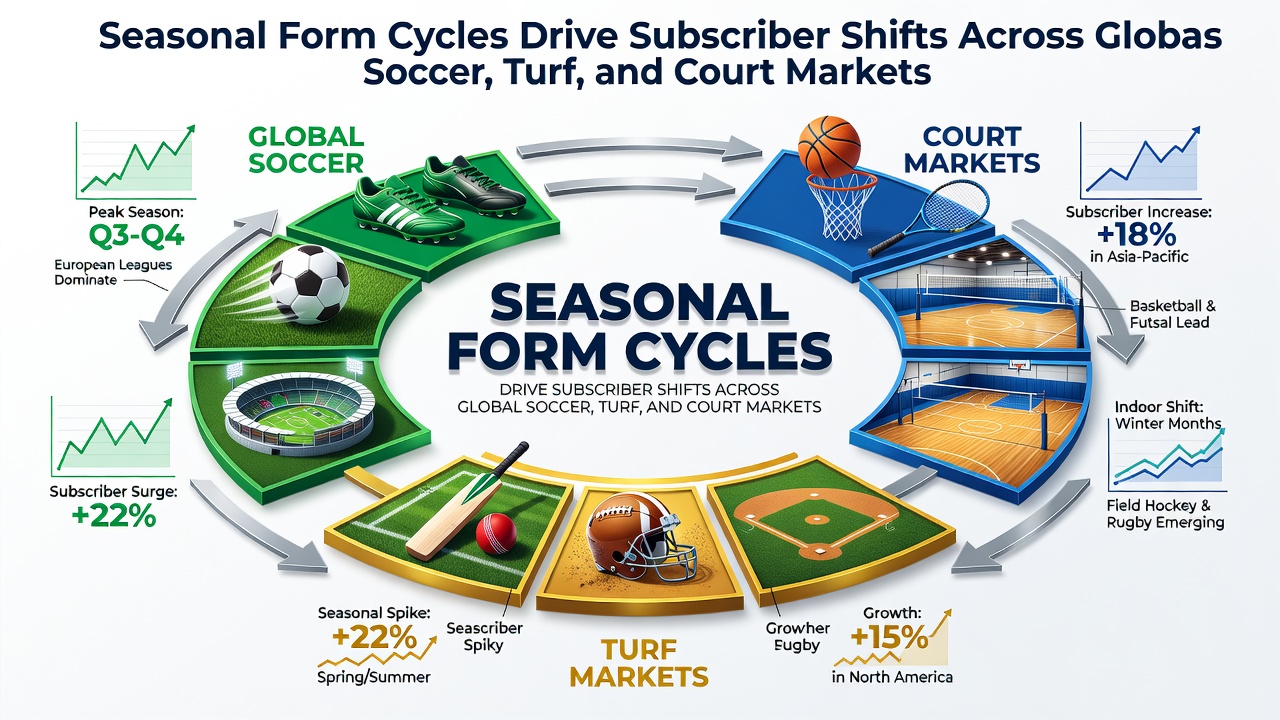
Seasonal form cycles create measurable patterns in subscriber behavior across soccer, horse racing, and tennis betting markets, with data from multiple regions showing consistent shifts tied to calendar events rather than isolated performance spikes. In August 2026, European soccer leagues prepare for new campaigns while Australian turf racing enters its spring preparation phase and North American tennis circuits wind down summer hard-court swings, producing distinct subscriber movements that platform operators track through registration metrics and renewal rates.
Calendar Alignment Shapes Market Activity
European soccer seasons typically launch in mid-August, prompting increased interest in form analysis services as teams adapt to new squads and fixture congestion, whereas Australian horse racing builds toward spring carnivals with turf surfaces favoring certain runners over winter tracks. Tennis schedules place the US Open in late summer, creating a concentrated window where court-surface specialists see elevated demand before the season transitions to indoor events. Observers note that these overlapping cycles produce staggered peaks rather than uniform global activity, allowing tipster platforms to allocate resources across regions without direct overlap in subscriber surges.
Research from the University of Sydney's gambling studies unit indicates that horse racing tipster subscriptions in Australasia rise sharply between July and September as track conditions stabilize, while soccer-focused services experience parallel growth in Europe during the same period due to pre-season friendlies giving way to competitive fixtures. This temporal separation means operators can maintain steady revenue streams by rotating promotional focus rather than facing simultaneous lulls across all three markets.
Form Data Availability Influences Retention
Access to reliable historical performance data expands during established seasons, enabling tipsters to refine models that subscribers rely upon for decision-making. In soccer, post-August fixture lists allow for deeper analysis of home-and-away patterns, while turf racing data accumulates through consistent meetings that reveal pace biases on specific tracks. Tennis records from major tournaments provide granular statistics on surface transitions, supporting services that highlight players adapting from clay to hard courts or vice versa. Those who monitor these datasets report that subscriber churn decreases when fresh, verifiable form becomes available on a weekly basis, reducing the perception of random variance that often accompanies off-season periods.
Cross-Market Subscriber Migration Patterns
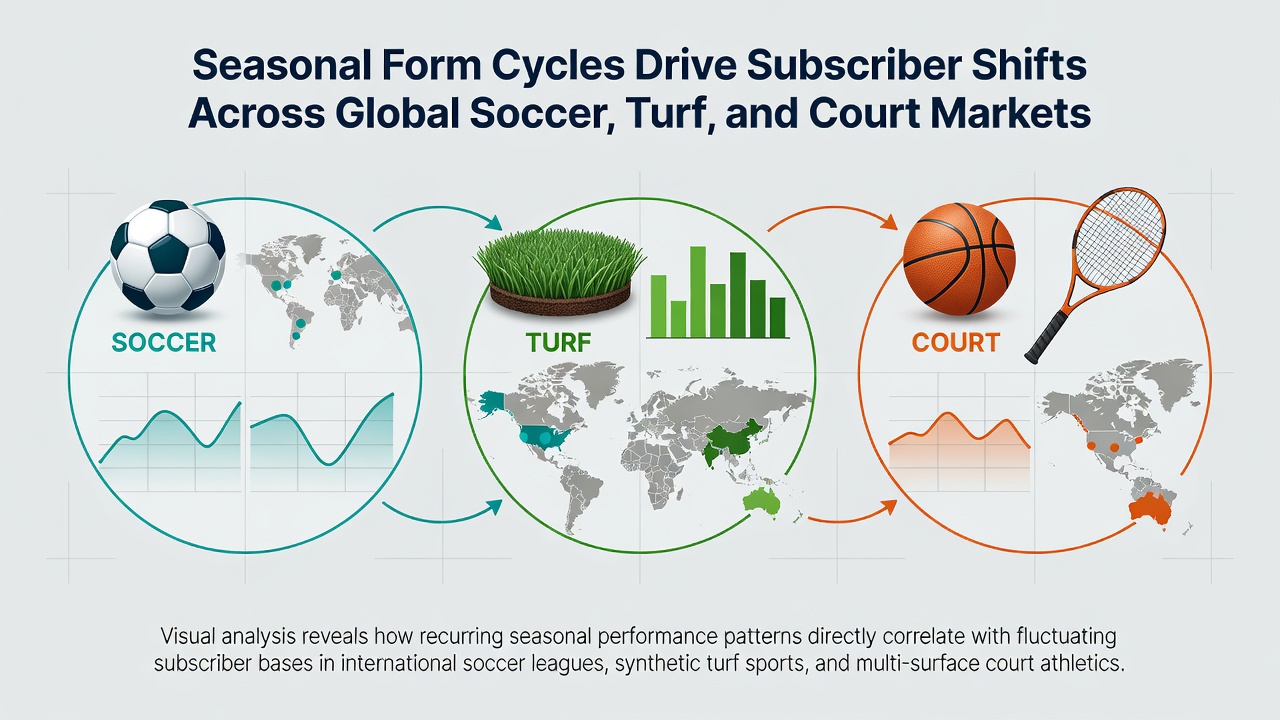
Platform analytics reveal that subscribers frequently shift attention between markets as seasons progress, moving from soccer during European winter breaks toward Australian turf events or indoor tennis circuits. This migration occurs because form cycles rarely align perfectly, creating opportunities for services covering multiple disciplines to retain users through diversified offerings. Figures from the Canadian Gaming Association show that operators offering combined soccer, racing, and tennis packages experience lower cancellation rates during August transitions compared with single-market providers, as users maintain active accounts while their primary sport enters quieter phases.
One analysis of European betting platforms found that August 2026 pre-season soccer data drew renewed interest from users who had paused subscriptions after the prior campaign concluded, while concurrent Australian racing previews attracted separate cohorts preparing for upcoming spring meetings. The result is a rolling subscriber base rather than static retention within any single category, with platforms adjusting content calendars to match these flows.
Regional Regulatory Context and Data Tracking
Regulatory frameworks in different jurisdictions shape how operators collect and report subscriber metrics during these cycles. The Australian Communications and Media Authority requires transparent disclosure of promotional practices around seasonal peaks, ensuring that marketing tied to August racing preparations remains consistent with broader consumer protection standards. Similar oversight in Canadian provinces tracks advertising claims during tennis major tournaments, providing comparative data on how form-cycle messaging influences subscription volumes across borders.
These reporting requirements generate datasets that researchers use to map correlations between seasonal events and subscriber behavior, confirming that shifts occur predictably rather than through isolated marketing efforts. Platforms that align content releases with verified form availability tend to see steadier engagement across the three markets throughout the year.
Conclusion
Seasonal form cycles continue to dictate subscriber distribution across global soccer, turf, and court markets through predictable calendar alignments and data availability windows. August 2026 exemplifies this pattern, with overlapping pre-season activity in soccer, spring preparations in Australian racing, and late-summer tennis events creating staggered rather than simultaneous demand. Operators that track these cycles through regional regulatory data and platform analytics maintain balanced portfolios, while subscribers benefit from diversified access that matches the natural rhythm of each sport's competitive periods.