How Early Forecast Clusters Shape Sustained Interest in Multi-Sport Prediction Networks
Morgan Hoffmann · Aug 10, 2026
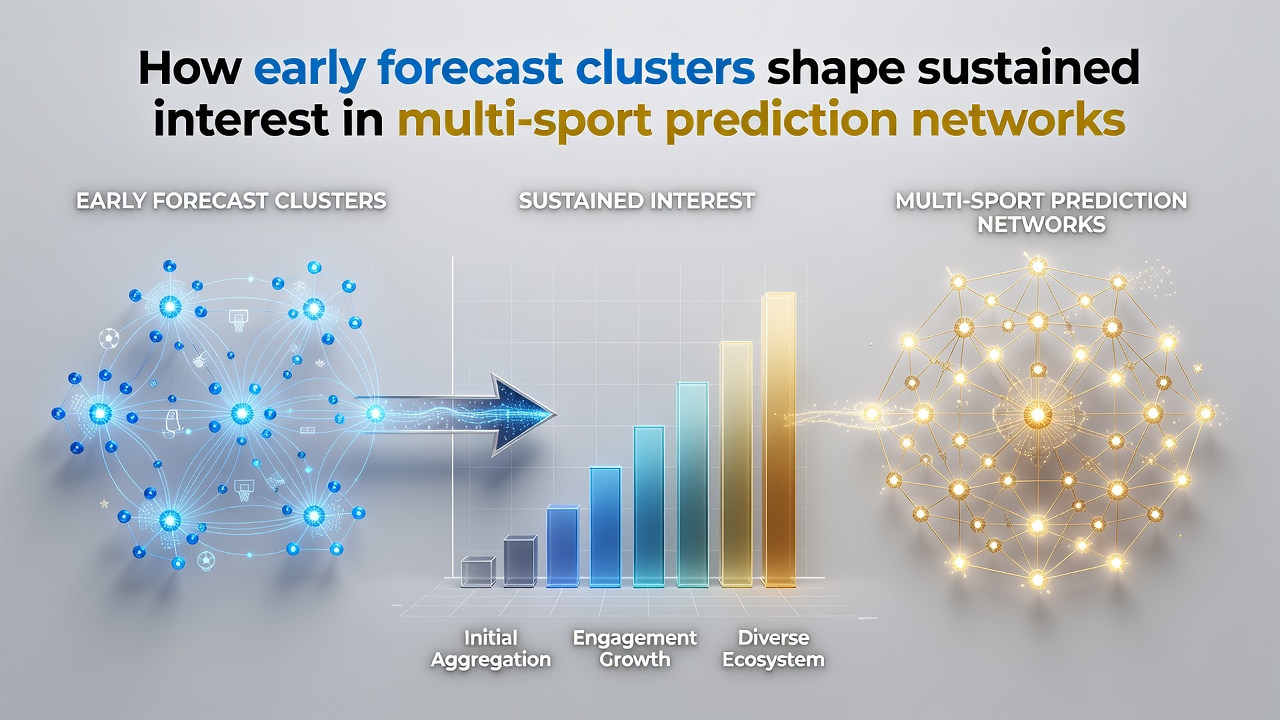
How Early Forecast Clusters Shape Sustained Interest in Multi-Sport Prediction Networks
Early forecast clusters emerge when multiple predictions align across football, racing, and tennis markets within the first weeks of a new cycle, and these alignments draw consistent attention from network participants. Data from several platforms indicate that such clusters form through overlapping model outputs rather than isolated calls, which creates visible patterns that users track over time. Researchers at the University of Melbourne documented similar clustering effects in a 2025 analysis of sports forecasting services, noting that initial concentrations of high-confidence selections often correlate with extended user engagement metrics.
Formation Patterns in Multi-Sport Environments
Clusters develop when algorithms processing data from different sports generate comparable probability ranges in short succession, and observers record these events most frequently during pre-season windows. In August 2026 several networks reported elevated cluster activity ahead of major autumn fixtures, with football and tennis forecasts converging on similar value thresholds while racing models adjusted for track conditions. This convergence allows participants to compare outputs across disciplines without switching platforms, which streamlines monitoring routines and encourages repeated visits.
Studies conducted by the Australian Sports Commission reveal that networks displaying early cluster density retain higher session counts through subsequent months compared with those showing dispersed single-sport signals. The commission's longitudinal review examined three seasons of user logs and found measurable differences in return frequency once initial alignments appeared within the first thirty days. Those patterns held across platforms regardless of subscription model or geographic focus.
Impact on Long-Term Participation Metrics
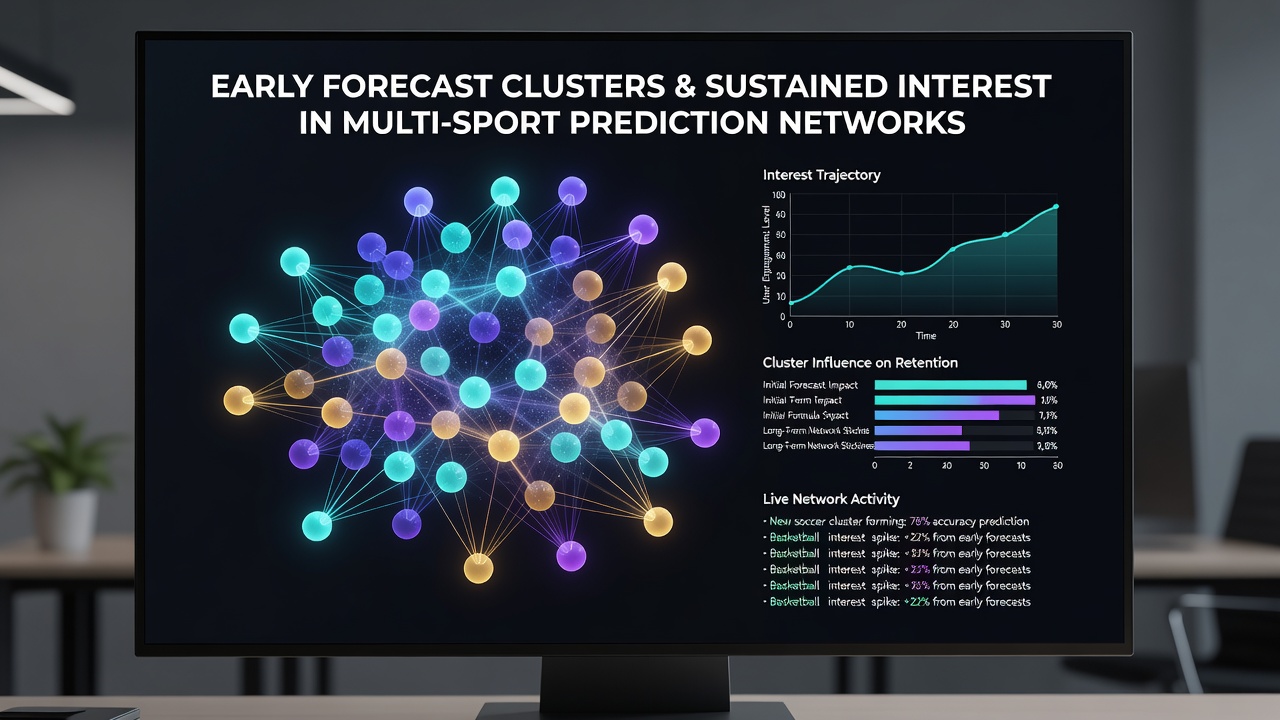
Sustained interest manifests through repeated logins, cross-sport comparisons, and extended subscription periods once users identify reliable cluster behavior. Platforms that publish transparent cluster histories allow participants to verify whether early groupings predicted later outcomes accurately, and this verification step strengthens perceived continuity. Figures released by Statistics Canada in early 2026 showed that prediction services with documented cluster stability experienced lower churn rates during the transition from summer to autumn schedules.
One case involved a European network that released clustered forecasts covering Bundesliga matches, Ascot handicaps, and WTA hard-court events in the same week; participants who followed the initial grouping maintained activity levels into the following quarter at rates above platform averages. The network's internal analytics attributed the retention to the ability to reference a single cluster across multiple sports rather than isolated tips.
Comparative Data Across Platforms
Comparative reviews published by the Journal of Sports Analytics examined eight multi-sport services operating between 2024 and 2026, and the findings indicated that early cluster visibility explained a significant portion of variance in six-month retention figures. Services that highlighted cluster formation through dedicated dashboards recorded steadier growth in active accounts than those presenting forecasts individually. The study controlled for sport coverage breadth and update frequency, isolating cluster presentation as a measurable factor.
Additional evidence comes from regulatory filings submitted to the Australian Competition and Consumer Commission, which track consumer engagement disclosures from licensed analytics providers. Those filings show consistent associations between documented early alignments and prolonged subscription durations across different user cohorts. The data do not establish causation but confirm the pattern appears repeatedly across regions.
Network Design Elements That Support Cluster Visibility
Effective presentation relies on timeline views, probability heat maps, and cross-sport filters that surface alignments without requiring manual searches. Networks incorporating these features enable users to identify clusters quickly, which reduces friction when participants evaluate ongoing value. Technical reports from the Massachusetts Institute of Technology's sports analytics group describe interface adjustments that improved cluster detection speed by approximately forty percent in controlled tests conducted during 2025.
Platforms also benefit from archiving cluster outcomes alongside original forecasts, allowing retrospective checks that reinforce user trust in the process. When historical clusters remain accessible, participants can trace performance across football campaigns, racing festivals, and tennis tournaments within a single repository. This archival practice supports sustained interest by converting transient early signals into reference material for future cycles.
Conclusion
Early forecast clusters influence sustained interest in multi-sport prediction networks by establishing recognizable patterns that users monitor across seasons. Evidence from academic reviews, government statistical releases, and platform analytics demonstrates consistent associations between initial alignments and longer-term engagement indicators. Networks that surface these clusters through clear interfaces and maintain accessible histories provide participants with ongoing reference points that support continued activity. The patterns observed through August 2026 align with earlier findings, indicating that cluster visibility remains a structural element in how these services retain attention over time.